
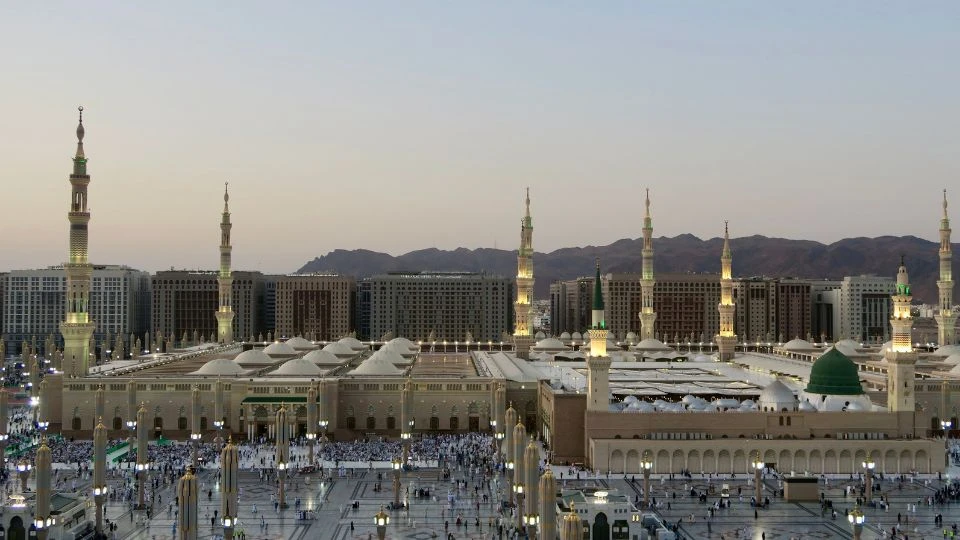
Hajj vs Umrah: A Complete Guide for Pilgrims
Knowledge
by Administrator
OCT 13, 2026
For Muslims, traveling to the Holy Land for worship is a journey with deep spiritual meaning that also requires careful preparation. However, for those planning their first pilgrimage, understanding the difference between Hajj and Umrah can sometimes be confusing. Both are performed in the Holy Land and share several similar rituals, but they differ in terms of religious status, timing, rituals, travel arrangements, and preparation.
Understanding the difference between Hajj and Umrah from the beginning can help pilgrims prepare more effectively. Besides learning about the rituals, it is also important to prepare your physical condition, documents, personal belongings, and travel essentials to make your journey more comfortable.
So, what are the main differences between Hajj and Umrah? Here's the complete guide.
1. Understanding the Religious Status of Hajj and Umrah
One of the first differences to understand is the religious status of Hajj and Umrah.
What Is Hajj?
Hajj is the fifth pillar of Islam and is obligatory for Muslims who meet the requirements of ability (istita'ah). This ability includes circumstances that allow a person to perform the pilgrimage, including physical and financial capacity.
Unlike Umrah, Hajj has a specific period during which its rituals are performed. One of the most important parts of Hajj is Wuquf at Arafah, which is a central ritual of the pilgrimage.
The Hajj rituals also include entering the state of ihram, tawaf, sa'i, staying overnight at Muzdalifah and Mina, and performing the stoning of the Jamarat according to the prescribed sequence.
What Is Umrah?
Umrah is a pilgrimage to the Ka'bah that consists primarily of entering the state of ihram, performing tawaf, performing sa'i, and completing tahallul.
According to the Indonesian Ministry of Religious Affairs' Hajj and Umrah guidance, Umrah is categorized into obligatory Umrah and voluntary Umrah. The first Umrah performed by a Muslim (Umratul Islam) and an Umrah performed because of a vow are categorized as obligatory Umrah. Subsequent Umrah performed without a vow is categorized as voluntary Umrah.
Therefore, it is not entirely accurate to simply state that Umrah is always a voluntary act of worship.
2. Differences in the Timing of Hajj and Umrah
The timing of the pilgrimage is another major difference between Hajj and Umrah.
When Is Hajj Performed?
Hajj is performed during Dhul-Hijjah, the final month of the Islamic calendar. Its major rituals take place during a specific period, including Wuquf at Arafah on 9 Dhul-Hijjah.
For Hajj 2026, the Indonesian government determined that 1 Dhul-Hijjah 1447 AH fell on May 18, 2026. Therefore, 9 Dhul-Hijjah, the Day of Arafah, fell on May 26, 2026, while Eid al-Adha fell on May 27, 2026.
This means that Hajj cannot be performed freely throughout the year like Umrah.
When Is Umrah Performed?
Umrah can generally be performed throughout the year. However, the Indonesian Ministry of Religious Affairs' pilgrimage guidance identifies certain periods as times when performing Umrah is considered makruh for Hajj pilgrims, including during Wuquf at Arafah, the Day of Nahr or 10 Dhul-Hijjah, and the Days of Tashriq.
Therefore, it would be inaccurate to say that Umrah is completely prohibited during these periods. The context and circumstances of the pilgrimage need to be considered.
3. Differences in Hajj and Umrah Rituals
Although Hajj and Umrah share several rituals, Hajj has a more extensive series of rites.
The main rituals of Umrah include:
- Entering the state of ihram and making the intention (niyyah).
- Performing tawaf around the Ka'bah.
- Performing sa'i between Safa and Marwah.
- Completing tahallul by cutting or shaving the hair.
Hajj, meanwhile, involves a longer series of rituals, including Wuquf at Arafah, staying overnight at Muzdalifah and Mina, and performing the stoning of the Jamarat, in addition to rituals such as tawaf and sa'i according to the type of Hajj being performed.
This is why preparations for Hajj and Umrah are not exactly the same. Hajj pilgrims need to follow a more complex schedule and series of rituals, while Umrah offers greater flexibility in terms of timing.
4. Differences in Hajj and Umrah Travel Duration
The amount of time you need to allocate for the journey is also different.
For Umrah, the length of the trip depends heavily on the travel package. Packages from Indonesia can have different durations, such as around one to two weeks, particularly when the itinerary includes visits to Madinah.
Therefore, figures such as 9–12 days should be understood as examples of travel-package durations, rather than the official duration of Umrah itself.
Hajj journeys for Indonesian pilgrims generally require considerably more time because they include not only the pilgrimage rituals but also travel, stays in Makkah and Madinah, the Armuzna period, and the return journey.
In other words, the duration of the religious rituals and the duration of the overall trip are not necessarily the same. This distinction is important when planning your leave from work, travel budget, and amount of luggage.
5. Differences in Departure Systems and Waiting Periods
Hajj and Umrah also have different departure systems.
Hajj Departure
Hajj departures from Indonesia follow official quotas and regulations established by the government. Because the number of prospective pilgrims is significantly higher than the available annual quota, regular Hajj has a waiting period that varies depending on the region where the pilgrim registered.
In some areas, the waiting period can reach several decades.
For this reason, prospective pilgrims should register as early as possible and regularly check official information regarding their estimated departure date.
Umrah Departure
Umrah has a more flexible departure system because it does not use the same regular Hajj waiting-list system. However, pilgrims still need to meet applicable document, visa, and travel requirements.
Visa and Umrah travel regulations can also change according to Saudi Arabian government policies. Therefore, prospective pilgrims should always check the latest requirements before choosing their departure date.
6. How Much Do Hajj and Umrah Cost?
Questions such as "How much does Umrah cost?" and "How much does Hajj cost?" are common when people start planning their pilgrimage to the Holy Land.
However, costs cannot be generalized because there is a distinction between pilgrimage-related costs, travel packages, and the type of services selected.
For Indonesian Hajj pilgrims, it is important to distinguish between Bipih and BPIH. Bipih refers to the portion of the Hajj cost paid directly by the pilgrim, while BPIH refers to the overall cost of organizing Hajj, which includes other sources of funding.
Because Hajj costs can be determined and adjusted by government policy each year, specific figures should always be based on the latest official announcement.
Meanwhile, Umrah costs depend heavily on the travel provider and selected facilities. Factors that can affect the price include:
- Airline and flight class.
- Trip duration.
- Hotel location and class.
- Travel season.
- Number of people sharing a room.
- Ziyarat or sightseeing itinerary.
- Additional services provided by the travel operator.
Therefore, don't compare Umrah packages based solely on price. Make sure you also check the travel provider's legality and the facilities included in the package.
7. Physical Preparation for Hajj and Umrah
Both Hajj and Umrah require a reasonable level of physical fitness because pilgrims may spend significant amounts of time walking and performing activities in an environment with different weather conditions from Indonesia.
Preparation can begin with simple activities such as:
- Getting used to walking regularly.
- Gradually improving your endurance.
- Maintaining a consistent rest schedule.
- Paying attention to food and fluid intake.
- Practicing how to carry only the essentials.
- Following applicable health examinations and recommendations.
For Hajj, physical demands can be greater because the series of activities and travel arrangements are more complex.
Therefore, don't wait until shortly before departure to start improving your fitness.
8. Prepare Your Belongings for a More Practical Journey
In addition to religious and physical preparation, luggage management is also important. A pilgrimage to the Holy Land involves moving between airports, hotels, mosques, transportation, and various other locations.
Instead of bringing too many items, prioritize the things you actually need. Organize your belongings according to their function so you can find them more easily when necessary.
For example:
- Keep travel documents and important belongings in an easily accessible compartment.
- Store electronic accessories together so cables and chargers don't get scattered.
- Separate clothing according to its purpose.
- Keep small items such as tissues, hand sanitizer, and personal essentials in a pouch.
- Use a daily bag for items you actually need to carry during activities.
Choosing a bag that suits your travel needs can also make daily mobility more practical.
In this case, Bodypack can be part of your travel preparation with a range of bags designed to support everyday activities and traveling. Choose a model and capacity based on your belongings and the activities you expect to do during your pilgrimage.
9. Which Requires More Preparation: Hajj or Umrah?
When considering the rituals and travel arrangements, Hajj generally requires more complex preparation.
Hajj has a specific period of performance, an official quota system, a waiting period, and a more extensive series of rituals. Umrah, on the other hand, offers greater flexibility in terms of timing, although it still requires proper preparation regarding documents, physical fitness, finances, and travel essentials.
However, both require serious preparation.
Don't focus only on travel arrangements and personal belongings while overlooking the importance of understanding the rituals. Before departure, prospective pilgrims should participate in appropriate religious guidance or manasik programs and refer to official information.
Conclusion
The difference between Hajj and Umrah can be seen in their religious status, timing, rituals, travel duration, departure system, and preparation requirements.
Hajj is the fifth pillar of Islam and is obligatory for Muslims who meet the requirements of ability. It is performed during a specific period in Dhul-Hijjah. Umrah, meanwhile, has greater flexibility in terms of timing and involves a shorter series of rituals. According to the Indonesian Ministry of Religious Affairs' pilgrimage guidance, Umrah itself is categorized into obligatory and voluntary Umrah.
Regardless of which pilgrimage you plan to undertake, proper preparation is an important part of the journey. Start by learning about the rituals, preparing your physical condition, checking travel documents, managing your budget, and choosing practical travel essentials.
For mobility during the journey, Bodypack can be part of your travel preparation with bags designed to support everyday activities and travel. With your belongings properly organized, your journey to the Holy Land can be more practical and comfortable.
CURATED JOURNALS FOR YOU





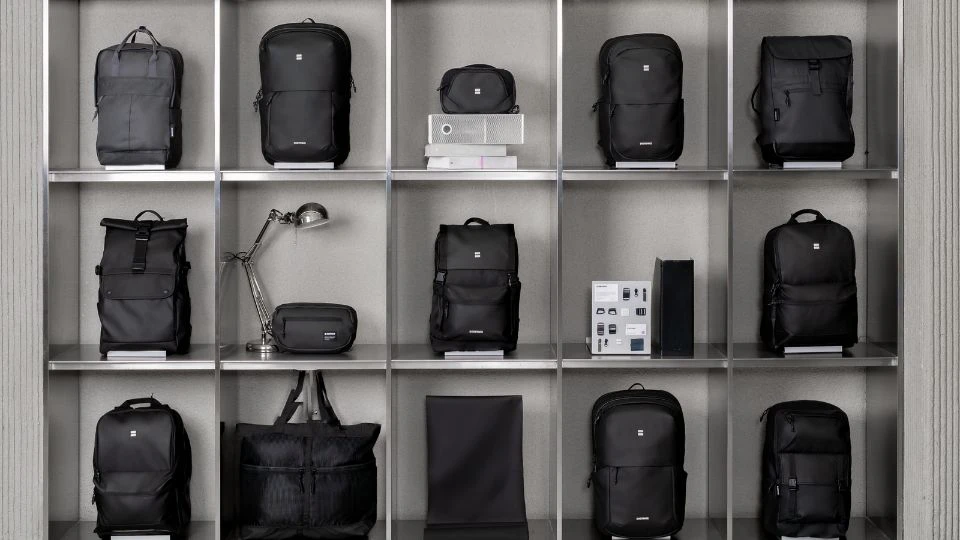




Make A Difference with a Bodypack Variety of Bags, Apparel, Pants, & Accessories.
Fashion shapes your true identity. Bodypack believes in that and has produced a variety of best products such as Bags, Backpacks, totepacks, and rucksacks for various needs such as laptops, school, urban, office, college, sports, traveling, riding, and work. If you want to explore other product variations, there are pouches, small bags, sling bags, crossbody bags, waist bags, fanny packs, and tote bags. Furthermore, the quality of Bodypack bags needs no doubt because they are waterproof, durable, come with a lifetime warranty, minimalist, modern, and multifunctional. The same goes for other best products like Apparel and Accessories. Whether it's oversized shirts, t-shirts, long-sleeved shirts, short-sleeved shirts, hoodies, motorcycle jackets, parachute jackets, sweaters, trousers, corduroy pants, cargo pants, shorts, work pants, balloon pants, travel hats, and bucket hats. Explore your favorite products only at Bodypack.
Bodypack Indonesia Provides All Your Fashion Needs
Looking for fashion products that are not only stylish but also functional to support your daily activities? Bodypack Indonesia is the right place to meet all your fashion needs from bags to accessories. Bodypack Indonesia offers a variety of fashion products ranging from bags, apparel, pants, to accessories for men and women. Get exciting offers when shopping online at the Official Bodypack Indonesia Online Store, including free shipping, easy return service, quick response, lifetime warranty, and much more. Get the best fashion products only at Bodypack Indonesia.